
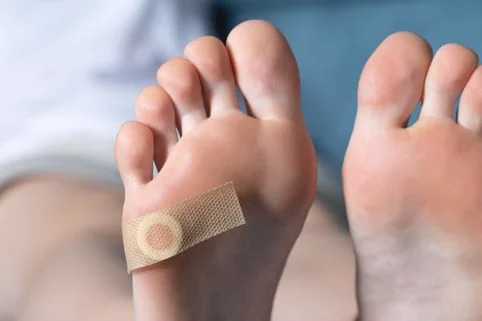
Verrucas can be very confusing: one week they look smaller, the next they seem to have disappeared completely, and then suddenly they’re back again. The conclusion that many people draw from this is that the verruca has healed itself, but what’s actually happening is often a little different. We see this pattern time and again at Harley Street Nail Specialist Clinic, especially in people who have tried home treatments and are feeling unsure about what their skin is doing.
Before going further, it’s worth understanding why this stop-start behaviour happens and when a treatment such as verruca removal in London becomes the most reliable way forward.
Verrucas May Not Always Vanish When They “Go Quiet”
A verruca is caused by the human papillomavirus, known as HPV. Once it has settled in the skin, its behaviour is very unpredictable. Sometimes the immune system pushes the virus into a low-activity phase. During this time, the verruca may look flatter or paler, giving the impression that it has healed. In fact, the virus can still be present in deeper layers of skin.
This is what many patients describe as a “dormant” phase. It is not that the wart has gone, but it is less active. Because inflammation is reduced, you may feel less discomfort, which perhaps can make the verruca seem inactive. But once the virus becomes active, often due to pressure, friction, moisture, or a dip in immunity, the verruca reappears.
Why Verrucas Recur?
If a verruca recurs, it does not imply that anything has been done wrong; this simply signifies that the virus never fully cleared. Contributing factors include:
● Regular pressure from walking or sports
● Moisture-filled spaces, such as shared dressing rooms or swimming pools
● Incomplete home treatments that target the surface but not the root
● Weakened immunity, even temporary
This “gone and back again” cycle is incredibly common, which is one reason why self-treating verrucas can feel frustrating and unpredictable.
When Professional Treatment Helps?
A returning verruca generally indicates that there is still deeper viral tissue present. This is why professional treatment becomes necessary. At the Harley Street Nail Specialist Clinic, we first consider the depth of the verruca, its size, and, importantly, its behaviour. Then, we advise on the most appropriate method of verruca removal in London, based on the best clinical evidence, but taking into consideration your foot health.
When to Book an Appointment?
If it continually recurs, is painful, spreads to other toes, or you have been using home treatments for several weeks without any improvement, it is time to be properly checked.
Book your appointment now at Harley Street Nail Specialist Clinic and let us guide you towards safe, effective recovery with results that last. Please note that we are not an out-of-hours service provider. If you need any assistance outside of clinic hours, please contact NHS 111 or visit the nearest A&E.