
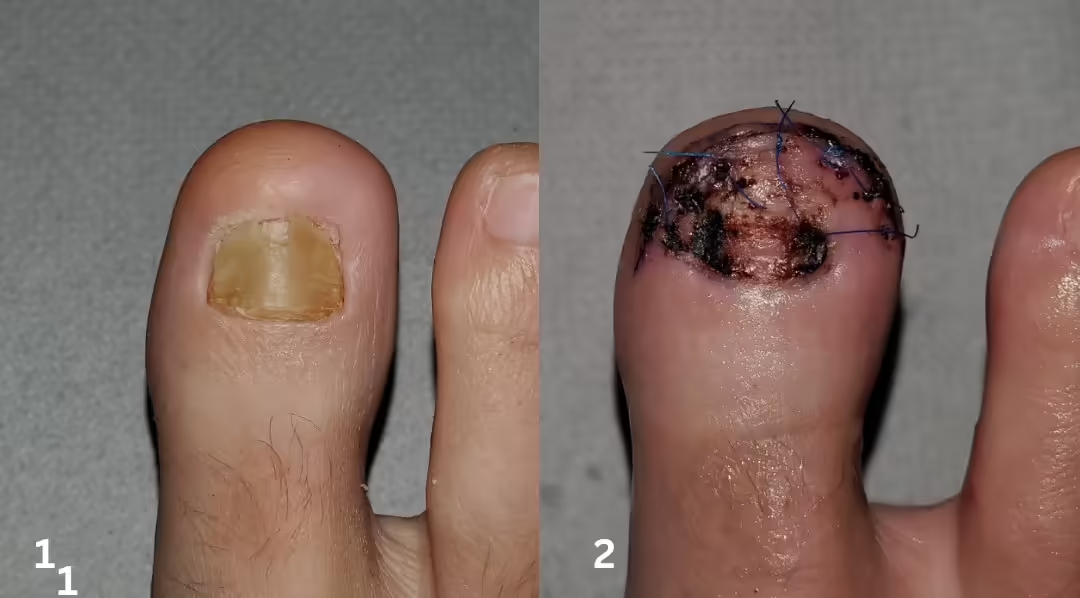
What is the Modified Howard–Dubois Procedure?
The Modified Howard–Dubois procedure is a surgical treatment for severe or recurrent ingrown toenails as well as deformed nail beds. Unlike simpler nail surgeries, this technique corrects the underlying shape of the toe, including soft tissue and, in some cases, the bone at
the tip of the toe.
It is typically recommended when other treatments have failed or when the problem is caused by the structure of the toe itself.
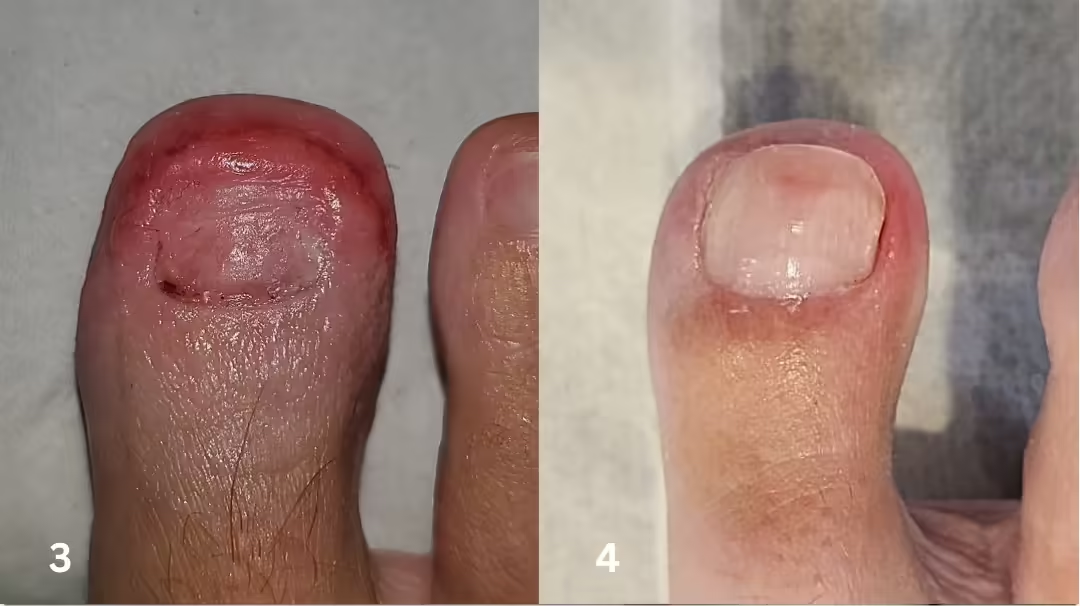
Why Might I Need This Procedure?
You may be advised to have this surgery if you have:
- Recurrent ingrown toenails
- Persistent pain or infection
- Excess soft tissue (“bulky” skin) around the nail
- A curved or deformed nail bed
- Structural issues with the tip of the toe
What Does the Surgery Involve
The procedure is performed under local anaesthetic (your toe will be numb but you will be awake). During the operation:
- A small section of excess skin and soft tissue is removed
- The nail bed is carefully lifted
- The bone at the tip of the toe may be reshaped to create a flatter surface
- The nail bed is repositioned
- The skin is stitched neatly back into place
This approach aims to correct the cause of the problem, rather than just removing part of the nail.
What Are the Benefits?
- Addresses the root cause of ingrown toenails
- Low risk of recurrence
- Preserves the natural width and appearance of the nail
- Can improve long-term comfort and function
Are There Any Risks?
As with any surgery, there are some risks, including:
- Pain or swelling after the procedure
- Infection
- Bleeding
- Delayed healing
- Temporary numbness
- Chronic regional pain syndrome
- Rarely, recurrence of the problem
We will discuss these with you before your procedure.
What Happens After Surgery
- A dressing will be applied to your toe
- You may need to rest and elevate your foot for a few days
- Mild discomfort is expected and can be managed with pain relief
- Stitches are usually removed after 1–2 weeks (if non-dissolvable)
Recovery Time
- Return to normal footwear: 2–4 weeks
- Return to work:
- Desk-based: a few days
- Active jobs: 2–3 weeks
- Full healing: 4–6 weeks
Aftercare Advice
- Keep the dressing clean and dry
- Follow instructions for dressing changes
- Avoid tight footwear during healing
- Contact the clinic if you notice:
- Increasing pain
- Redness or discharge
- Fever
When Should I Seek Help?
Please contact us if you experience.
- Severe or worsening pain
- Signs of infection
- Bleeding that does not stop
- Any concerns about healing